I Was Sceptical About AI Video Tools. Then I Tried AdoriAI in My Clinic.
Success Stories
7 Min Read
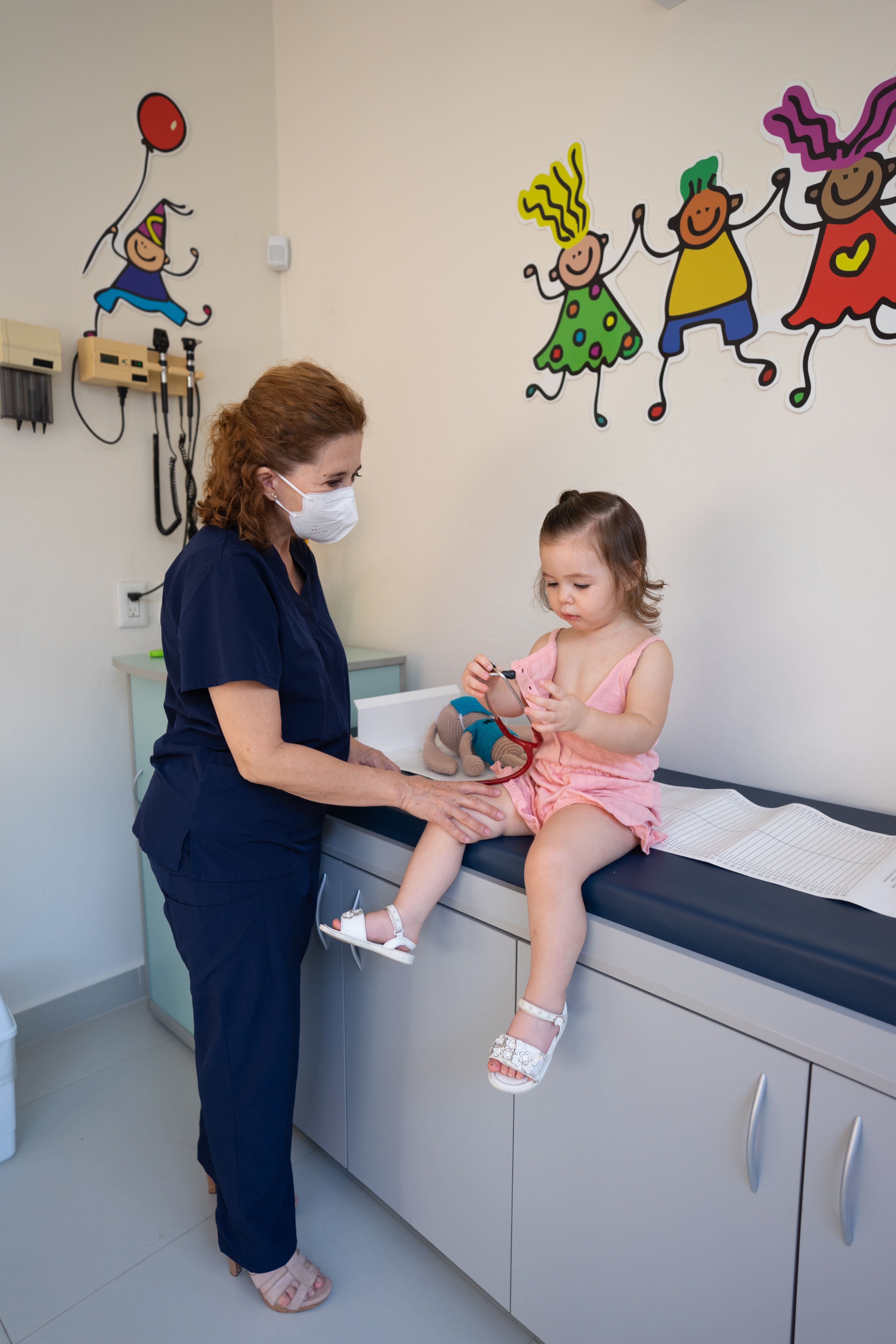
It was a Tuesday evening and I was running 45 minutes behind. Mrs. Kulkarni, 68, post-angioplasty, sat in front of me looking terrified. I had explained her discharge care plan twice. She nodded each time. Two days later, her daughter called. Mrs. Kulkarni had stopped taking one of her medications because she did not understand what it was for.
That call cost Mrs. Kulkarni a near-miss. It cost me guilt, a 40-minute phone consultation, and the sinking realisation that the information I had given her, clinically accurate and clearly spoken, had simply not reached her. That gap between what I say and what patients retain is not a failure of intelligence. It is a failure of format.
I have been practising cardiology for eleven years. I have given the same post-stent care speech hundreds of times. And yet study after study tells us that patients forget 40 to 80 percent of what their doctor says within an hour of leaving the clinic. Text leaflets do not help. Printed summaries get lost. Phone follow-ups are time I do not have.
Six months ago, a colleague suggested I try AdoriAI. I was sceptical, another SaaS tool promising to revolutionise something. But I was desperate enough to try. What follows is what I actually found.
WHAT IT IS
The simplest description: it turns your words into videos
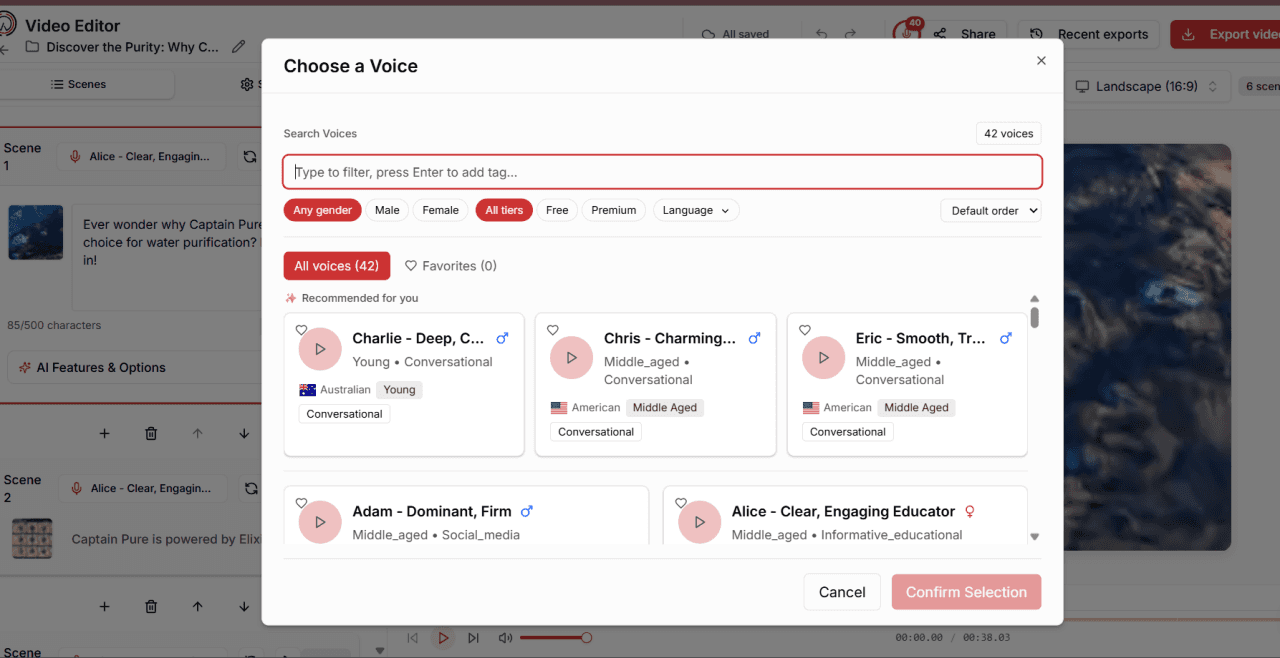
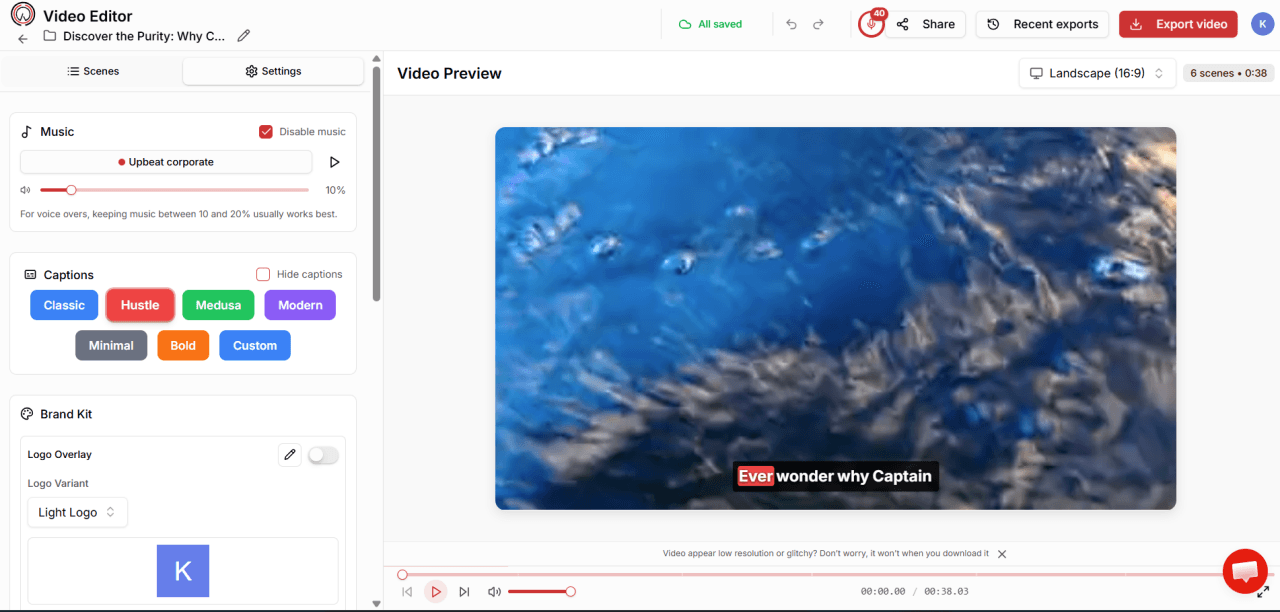
AdoriAI takes any text, a typed note, a PDF, a blog post, even an audio recording, and converts it into a fully produced video: narrated, captioned, visually illustrated, and ready to share in under 30 minutes. No video editing software. No voiceover artists. No media team.
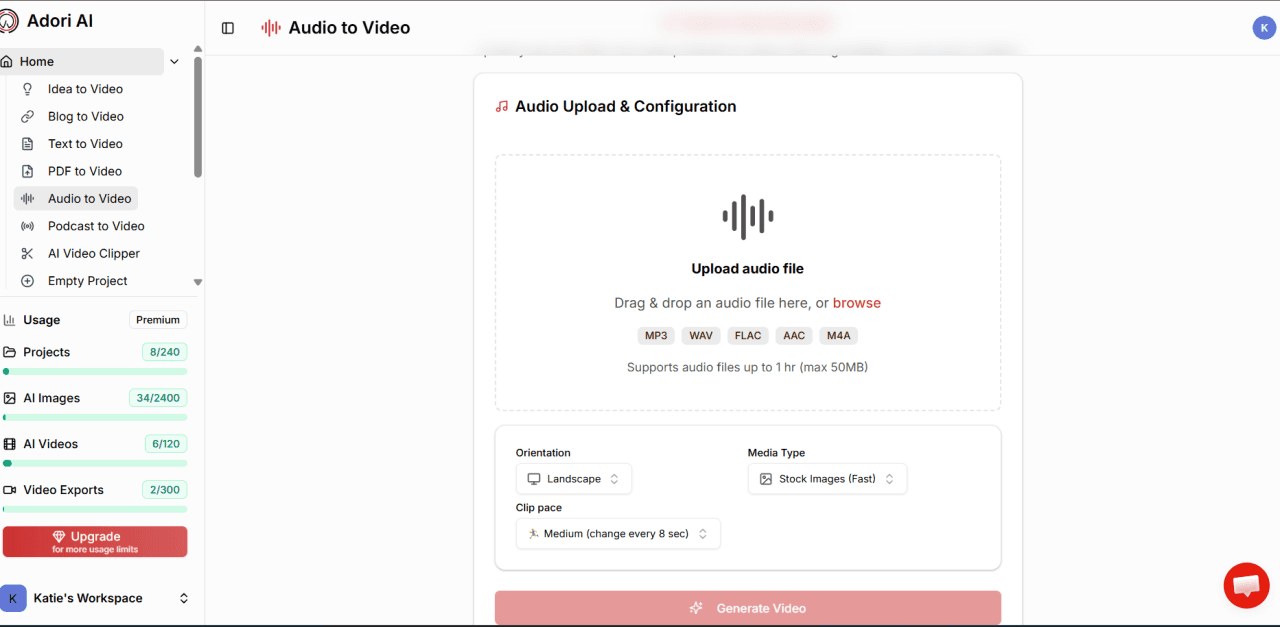
For a doctor, the relevant inputs are discharge summaries, patient education PDFs, drug information sheets, your own typed clinical explanations, and recorded CME audio files. The platform's tagline says "for content creators." Ignore that. For a clinician, it is a patient communication tool that happens to also make content.
THE PROBLEM IT SOLVES
Why patients do not follow instructions, and it is not their fault
In my cardiology OPD, I see 35 to 40 patients on a busy day. Most consultations are 10 to 15 minutes. In that window, I am expected to diagnose, prescribe, counsel, document, and somehow ensure the patient leaves understanding what to do for the next 30 days.
The reality: patients are anxious. Medical terminology is alienating. Printed instructions are often too dense or too generic. And the moment they walk out the door, anxiety and information overload cause most of it to dissolve.
95% Information retained via video vs. 10% from reading text | 3x Higher medication adherence with video discharge instructions | 40-80% Of what a doctor says is forgotten within one hour |
These are not marginal gains. They are clinical outcomes.
IN MY OWN PRACTICE
Here is exactly how I use it every week
I want to be specific. I have seen too many AI tool write-ups that stay vague. Here is my actual workflow.
1 | Post-procedure care videos After an angioplasty or stent placement, I have a standard care routine I explain to every patient. I typed this out once as a 400-word note, uploaded it to AdoriAI, selected a calm female voice, and let it build the video. It took 18 minutes including my edits. Now I send that WhatsApp-shareable video to every post-angio patient before they leave the ward. Mrs. Kulkarni's situation has not happened again. |
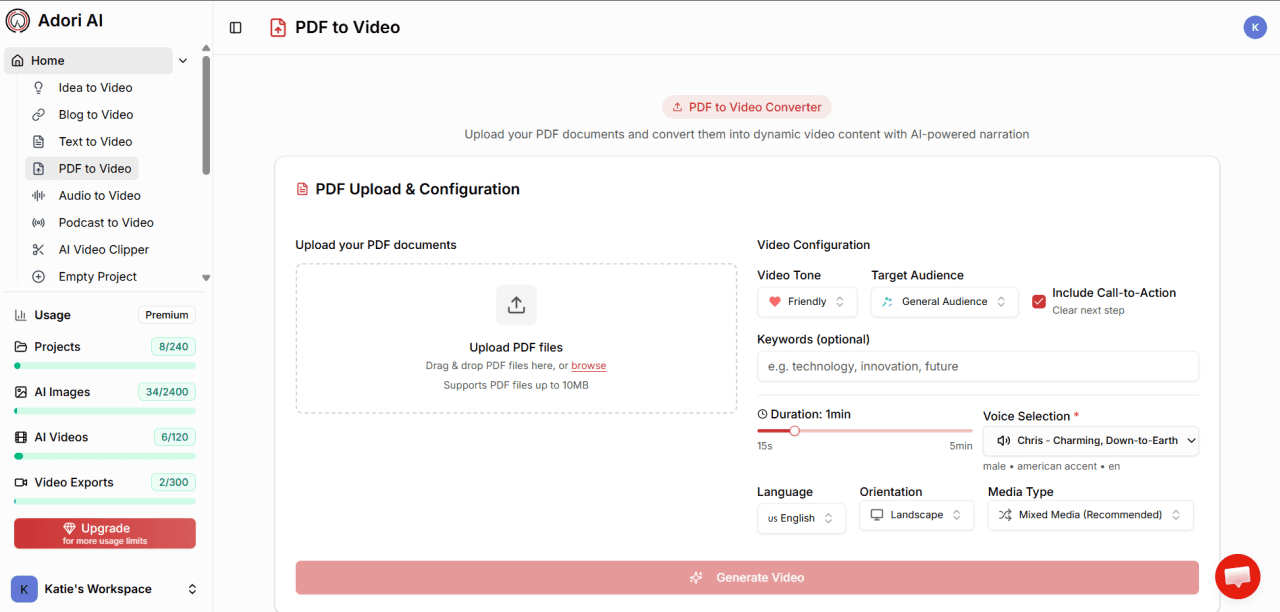
2 | Medication introduction videos When I start a patient on a new drug, say a beta-blocker post-MI, I send a 90-second video explaining what it does, why they need it, what side effects to expect, and which ones to call me about. This single change has reduced my nurse's medication query calls by around 35%. |
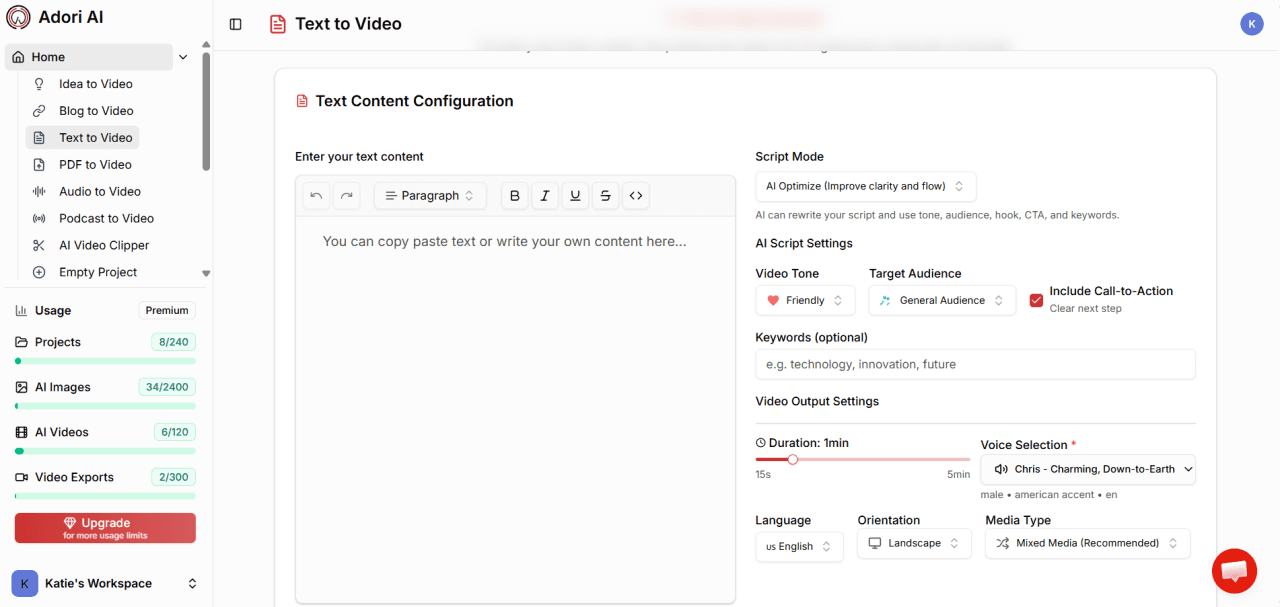
3 | Resident and nursing staff training I run monthly case discussions with my residents. I now convert those notes, typed, PDF, or an audio recording of my verbal summary, into a 5 to 8 minute video they can revisit. Attendance at my actual sessions has, somewhat amusingly, also improved because they know they will have a recap video. |
4 | Pre-procedure explainers for anxious patients Before a cardiac catheterisation, I send a short explainer video: what the patient will experience, what is normal to feel, what the team will be doing. Pre-procedure anxiety queries at my reception have fallen noticeably. Patients arrive calmer and better informed. |
A note on health literacy: The National Assessment of Adult Literacy reports that nearly half of Indian adults have low functional health literacy. A patient who cannot decode your discharge instructions is not non-compliant. They are underserved. Video is the single most accessible format at our disposal. |
WHERE IT HELPS MOST
Use cases that matter for clinicians
Discharge instructions A 2-minute video summarising post-op care. Patients watch it at home instead of misreading a printed sheet. | Medication guides New prescriptions get a short video covering dosage, timing, side effects, and what to watch for. Adherence has visibly improved. |
Procedure explainers What will happen, step by step, before they arrive. Pre-procedure anxiety calls have dropped significantly. | Resident training Journal articles and clinical protocols converted into 5-minute video summaries. My residents actually watch them. |
Multilingual patients My clinic sees Hindi, Marathi, and English-speaking patients. Different voice options mean everyone hears care in their comfort language. | Health awareness Hospital awareness posts on diabetes and hypertension now go out as 60-second videos. Engagement is night and day. |
HONEST COMPARISON
What I compared before committing
Before committing, I asked my hospital's media team to quote for three patient education videos. Their estimate: Rs. 50,000 per video, 10 to 14 day turnaround, two rounds of revisions.
What I need | Old way | With AdoriAI |
Script | 2 to 4 hours manual scripting | AI generates from PDF in seconds |
Voiceover | Voice actor and studio hire | 40+ AI voices, one click |
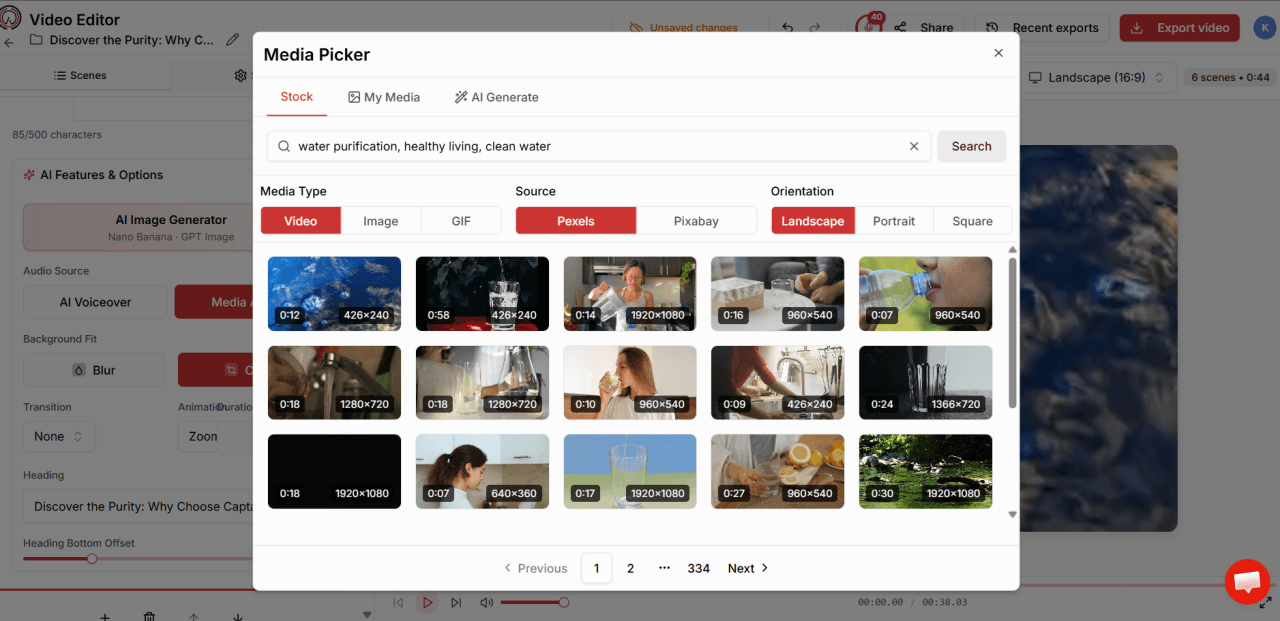
Medical images | Stock site and licensing checks | 100M+ copyright-free, AI-matched |
Captions | Paid transcription service | Auto-synced, fully editable |
Editing | Adobe Premiere or outsource | No editing skill needed |
Time to publish | 1 to 3 days minimum | Under 30 minutes |
Cost per video | Rs. 15,000 to Rs. 1,20,000+ | From $5 one-time or $15/month |
PRICING
What it actually costs, and how I think about it
STARTER $5 One-time + 3 projects + 1 video export + 20 AI images + 720p resolution + YouTube publishing | MY RECOMMENDATION BASIC $15 Per month + 10 projects + 15 video exports/month + 100 AI images + 10 voice regenerations + 3-min script limit + 720p + YouTube | PREMIUM $45 Per month + 20 projects + 30 exports/month + 200 AI images + 10 AI videos (Veo3) + 5 team members + 1080p + social publishing |
I am on the Basic plan at $15 per month, roughly Rs. 1,250. I produce 8 to 10 patient videos a month from this plan. My cost per video is under Rs. 130. My media team charges Rs. 50,000 per video. I do not think I need to do more maths than that.
THE BIGGER PICTURE
What this is actually about
The conversation about AI in medicine tends to focus on diagnosis, imaging, and drug discovery. I am not dismissing any of that. But the most immediate, solvable problem in clinical practice is not diagnostic accuracy. It is the gap between what we say and what patients understand.
That gap causes missed doses, failed follow-ups, re-admissions, and the particular kind of guilt you feel when a patient returns worse than they left, not because you made an error, but because you could not make yourself understood.
AdoriAI did not fix my clinical workload. It did not make me a better cardiologist. What it did was give my words a format that reaches people. For eleven years I have been trying to solve a communication problem with the wrong tools. I think I have finally found the right one.
Your first patient video in under 20 minutes.
No camera. No editing. No production skills required.
Try AdoriAI free at app.adoriai.com
Join our newsletter list
Sign up to get the most recent blog articles in your email every week.
Similar Topic